Paramount Skydance/Warner Bros. Discovery: California Closely Scrutinizing Deal After Failure of Trump Administration Enforcement, State AG Bonta Says
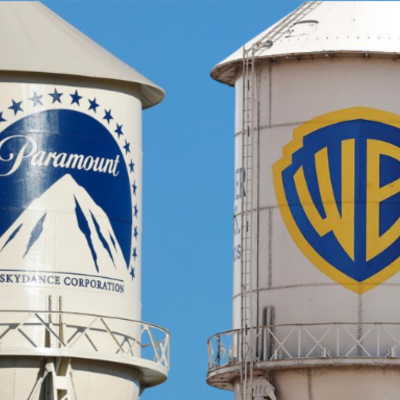
California Attorney General Rob Bonta today said that his office is conducting a vigorous review of Paramount Skydance’s (PSKY) proposed $81 billion acquisition of Warner Bros. Discovery (WBD) to ensure a vital state industry remains competitive because the Trump administration has “abdicated” its responsibility to fairly enforce antitrust laws. “We cannot let a couple of […]
California Attorney General Rob Bonta today said that his office is conducting a vigorous review of Paramount Skydance’s (PSKY) proposed $81 billion acquisition of Warner Bros. Discovery (WBD) to ensure a vital state industry remains competitive because the Trump administration has “abdicated” its responsibility to fairly enforce antitrust laws.
“We cannot let a couple of mega-corporations currying favor with the president hold control of content and the pipeline to develop it,” said Bonta at “The Future of Hollywood,” a Capitol Forum-sponsored event with film industry players and antitrust experts in Los Angeles. “They deserve choice, choice in what the content is, how they get it, who creates it.”
He added, “And they deserve content that rises to the top because of what it offers, not because of backdoor deals.” Bonta didn’t get into specifics about how these comments applied to the Paramount/Warner Bros. deal.
Following MAGA-tied lobbyists winning clearance for their clients’ deals, President Donald Trump posting his views on mergers on social media and the White House ousting DOJ’s antitrust head last month, it’s apparent Trump’s “allegiance lies with protecting corporate donors,” the California AG said. “We’re talking about a president who’s handpicking winners and losers.”
Bonta gave his keynote address at a conference focused on how consolidation and technologies such as artificial intelligence will affect creative rights, workers and the film industry overall. The White House didn’t immediately respond to the AG’s remarks.
His comments come as a group of Democratic AGs prepare to challenge the Paramount/Warner Bros. deal without any expectation their federal counterparts at DOJ will join them. State AG groups that include California also are planning to go it alone in two other cases: a challenge to Nexstar’s (NXST) planned $6.2 billion buyout of rival television station operator Tegna (TGNA) and an antitrust suit against Live Nation Entertainment (LYV).
In a nod to the anticipated suits, the AG joked in his speech that he didn’t plan to make any news today. In a scrum with reporters and investors in the hallway of the Beverly Hills Marriott after his speech, Bonta said he hadn’t made a final decision regarding California’s participation in the three cases.
“We act when it’s appropriate. We will do that here if we decide to act at all,” he said.
California and its counterparts taking on such a caseload without federal help would be unprecedented in recent memory: States have limited resources to litigate and are usually reluctant to sue without support from DOJ and the FTC.
But Bonta said that because of what he viewed as the lack of federal enforcement, his state, which has the largest antitrust unit among its peers, will step into the breach if he determines the law has been violated.
“If it’s California who decides that we want to act and no one else wants to, we’ll still act, or any combination of states who want to be involved,” he said in his post-speech comments.
Regarding Nexstar/Tegna, California is concerned about the loss of competition and Trump nevertheless commanding federal enforcers on his Truth Social site to clear the transaction, Bonta said.
“If that deal goes through, a single massive company will have outsized ownership and influence over broadcast TV stations around the country, including here in California,” he said during his speech. “Consumers will suffer higher prices and less access to news and sports. Workers will lose jobs and competitors will be knocked out without a fair fight.”
Live Nation model. Bonta made it clear that he was considering these actions because of the lack of enforcement at the federal level. In the latest public split between state enforcers and the administration, DOJ and Live Nation on Monday unveiled a proposed settlement of the government suit against the largest U.S. live entertainment company. But California, New York and a host of other states, including GOP-led ones, that had joined the suit called the settlement far from adequate and are seeking to continue a trial against Live Nation that began last week.
“Live Nation is moving, and it’s moving as a multi-state. Now today we’re in trial and we’ll continue if we don’t get to a resolution,” Bonta said in the hallway interview. “I think that model that you’re seeing in Live Nation is one you might see in the other cases. Each state will decide. It could be different states that get involved.”
Blue state enforcers also aren’t confident that DOJ will sue to block the merger of two of Hollywood’s most venerable film studios. The HSR waiting period expired on the Paramount/Warner Bros. deal last month, and although the department still has the option to sue, it has made no moves to do so. Both the administration and Republican lawmakers have made it clear they prefer Paramount’s offer for Warner Bros. over a competing bid from Netflix (NFLX).
Paramount has insisted for months that its offer for Warner Bros. raises fewer antitrust issues than Netflix’s and that its deal would ultimately lead to more film output.
Later today, Makan Delrahim, the company’s chief legal officer, will speak at The Capitol Forum event. In addition, “The Future of Hollywood” features appearances by former Consumer and Financial Protection Board Director Rohit Chopra and former acting DOJ antitrust chief Doha Mekki.